在巴布亚新几内亚某地一个人迹罕见的原始丛林腹地,有一个号称洞穴之母的巨洞——伊萨·阿拉。腰缠万贯的探险家卡尔(IoanGruffudd饰)一掷千金,雇用拥有丰富洞穴探险经验的弗兰克(RichardRoxburgh饰)及其团队对这里进行勘查。转眼之间几个月过去,伊萨·阿拉的勘探虽然颇见成效,但进度仍显缓慢。与此同时,强烈的热带风暴即将到来,洞穴探险迫在眉睫。卡尔为此和弗兰克发生争吵,而后者孤注一掷,和早已身心疲惫的搭档茱德(AllisonCratchley饰)潜入水中,挑战有着“魔鬼之限”之称的凶险通道。另一方面,卡尔的女友维多莉亚和弗兰克的儿子乔希也到洞中探险。殊不知灭顶之灾正在逼近……本片根据AndrewWight在西澳大利亚探洞时的真实经历改编,采用《阿凡达》的3D摄像机拍摄。
一伙天才盗匪劫走数亿资产,却凭借超强反侦察能力全身而退,戏耍警方“天眼”系统。一筹莫展之际,澳门司警局请回了隐退多年的跟踪专家黄德忠(成龙 饰),他培养年轻司警何秋果(张子枫 饰)等人,重组“神秘跟踪队”,最终锁定了盗匪团的幕后狼王傅隆生(梁家辉 饰)。当警方布下天罗地网之时,盗匪团也设下局中局,斗智斗勇斗心眼,一场高端猫鼠局拉开帷幕......
晓雯是大四实习生,常遇见老军人及他训练的狼狗子弹。老军人离世后,子弹陷入思念,晓雯的善良助它走出阴霾,两者结下深厚友谊。然而,城市规则挑战这段情谊,晓雯搬至农村。子弹英勇救人后去世,晓雯感动,投身宠物医疗,延续对子弹的爱。
影片由三个部分组成: 第一部分,在空空的公寓中,一个女人在一个多月的时间里把房子粉刷了两遍,不停地移动着家具,一遍遍地给她的情人写信,并把信的内容像日记一样读了出来; 第二部分,女人拦了一辆卡车,她和卡车司机在一个酒吧前停了下来,俩人进去,司机边喝啤酒边和她谈论自己的老婆、孩子,还有自己的私生活; 第三部分,女人来到她情人的公寓,屋里的女人不让她在哪儿逗留。女人说她饿了,她的情人让她进屋,并给她饭吃,让她在这住一夜。饭后,两个女人做了爱。第二天早晨,女人离开了公寓。
一对男女陷入了一个拥有永恒生命的有机体中,他们的生活开始瓦解,幻觉与肉身开始真假难辨。
妙子与再婚的丈夫二郎以及儿子敬太原本过着平静而幸福的生活,然而曾一度失踪的聋哑前夫的突然出现,让妙子做出了一个意想不到的抉择。曾以《临渊而立》斩获2016年戛纳电影节一种关注单元评委会奖的深田晃司,以女歌手矢野显子的一首同名歌曲为灵感,创作出了这个精彩绝伦的故事。影片至始至终伴随着交流的障碍、行为的不可理解性,擅长叙事的深田晃司以丰富的隐喻和层层递进的强烈戏剧冲突,呈现出他对于爱与人性本质的思考与诠释。入围2022年威尼斯电影节主竞赛单元。
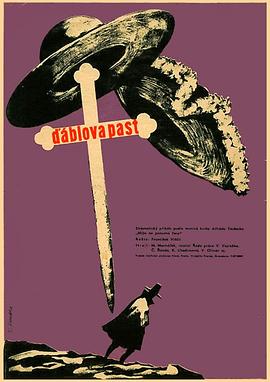
In the time of Counter-Reformation, a miller and his son come under investigation by a priest of the Inquisition, when rumors spread that their prosperity comes from working with the Devil. The Devil's Trap is a film directed by František Vláil, based on a novel by Alfréd Technik, adapted by František A. Dvorák and Miloš Kratochvíl. It was the first of three historical dramas that Vláil made during the Czech New Wave (technically he isn't really a part of the New Wave, however these films were made during the same era of artistic freedom), preceding his more well known Marketa Lazarová (1967) and Valley of the Bees (1968). Set in the late 16th Century during the Catholic Reformation, in the Moravian Karst, situated in what is now the Eastern Czech Republic, it tells the tale of a miller (Vítezslav Vejrazka), and his son Jan (Vít Olmer), who come under suspicion and are investigated by a Jesuit priest of the Inquisition (Miroslav Macháchek), when rumors of witchcraft are spread by the local regent (Cestmír Randa), who is jealous of the miller's prosperity and degree of respect among the local populace. As expected from Vláil, this film is a stunning experience all the way through. From the opening shot, an ominous manipulation of perspective with a close up of a mangled figure of Christ dominating the foreground against a tiny figure in black walking along the horizon, to the breathtaking confrontational finale inside the vast stalactite filled Karst caverns, it is a wonderful display of visual mastery. Maybe not quite as impressive as Marketa Lazarová, but still full of astonishing imagery. As seen from unique angles and distinct points of view which highlight the director's remarkable sense of awareness of framing, motion, and positioning on the emotional and dramatic tone of the scene. The most memorable being a repeated shot where the camera is suspended and launched with speed through the air towards the miller's door. The story here is a simple one and I would say more accessible than his later works. With a conventional structure emphasized as much by its plot and characters, than by its expressionistic cinematography or authentic historical detail. The events play out without much surprise, and there is a strong underlying, almost supernatural, mysterious aspect that is left unresolved, in fact barely explored, which is slightly disappointing, but only because it's so fascinating that I wish there was more. Acting is great all around. Particularly the villains Miroslav Macháchek as the priest, casting a sinister and imposing shadow wherever he goes, and Cestmír Randa as the weasel like regent behind all the persecution. While Vít Olmer brings a charismatic leading man presence in his role as the miller's son Jan, in love with the lovely orphan girl Martina (Karla Chadimová), who becomes a dangerous object of rivalry between Jan and other young men of the village. The film also features the evocative music of Zdenk Liška (perhaps the most prolific composer of the Czech New Wave). In this his second of eleven collaborations with Vláil, his compositions are used sparingly, but to great effect, complimenting but never overpowering a scene. The best example of which can be heard in an amazingly shot celebration and dance sequence at the end of the second act. The Devil's Trap might not be a masterpiece, but it is still a strong effort, with a fascinating straightforward story and a glorious historical setting captured beautifully by Vláil's unmistakable visual prowess. A fine work that would also be the perfect starter plate to prepare yourself for the challenging feast of Marketa Lazarová or The Valley of the Bees. It even has an easy to digest running time. It's therefore puzzling why this gem remains largely overlooked and ignored.
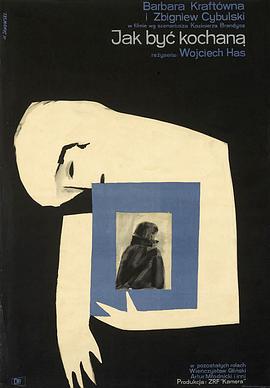
关于二战的电影是波兰电影学院派经常拍摄的话题。在《如何被爱》中哈斯把只是把战争作为背景,讲述两个普通人的悲剧感情故事。女主角为了爱情的无私奉献最后反而成为了她深爱的男人的负担,在某种意义上毁掉了后者的生活。这一切都是在战争的环境下发生的,正如女主角讲的,开始以为生活就是自己身边的事,后来才发现整个国家都和你有关。而男主角最后也说道,我们都是被卷入战争的普通人。
广州岭南水乡土生土长的男子,偶遇广漂的湖北山村女子,两人互生情愫,可惜半年后,山村女子因一些误会被迫斩断情丝毅然回乡。男子并没有放弃这段感情,凭仅有的一丝线索,一年追寻几千公里,在自然环境艰苦的山村里,他苦苦寻找,遇到了重重的困难都没有让他有一丝放弃的念头,反而更加感受到了自己内心,一定要找到这个心爱之人。在冲破种种险阻后,他终于找回了心上人,并为彼此赢回了甜蜜的未来。
时隔12年后,一位作家回到了自己出生地,向家人宣告自己即将离世。只有在与家人重逢后,才能感受到就算不断争吵也遮掩不了心中的爱意,而怨恨则以疑虑和孤独的情感所诠释。本片改编自让-吕克·拉戛尔斯的同名戏剧作品。
故事发生在20世纪90年代初。热爱文学的小青年秋水(张一山饰)无法违抗父母之命,高考之后选择进入北京仁和医学院学习。入学未久,这个聪明调皮的大男孩就相继结识了热情豪爽的毒舌女孩肖红(周冬雨饰)和美丽文静的班长赵英男(尤静茹饰)。秋水和肖红有如一对欢喜冤家,针尖对麦芒闹出不少的笑话。而大男孩不经意展露出的文学素养又引起了英男的注意。青葱岁月,几多欢歌。秋水与英男相互吸引,坠入爱河,而肖红却与大男孩不断错过,唏嘘良多。男孩女孩们的故事从未完结,他们注定要经历许多、许多……
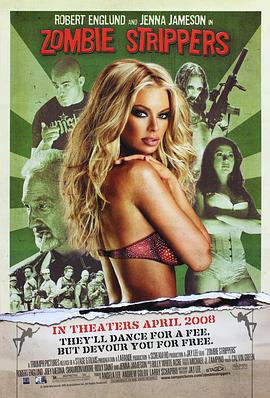
在不远的将来,美国总统布什第四次获得连任,他解散国会,在世界范围内散播战火,为了能源源不断的提供兵源,政府研制了能够将人化为僵尸战士的病毒,岂料病毒扩散,军方派遣一支精英小队平息事端,一名队员被咬伤后逃走……脱衣舞俱乐部“犀牛”中,老板艾斯寇(罗伯特•英格兰德RobertEnglund饰)迎来了新人杰西,暗恋杰西的小伙子戴维斯亦随之潜入犀牛。当夜舞女们的表演令一票观众疯狂,突然被僵尸咬啮的战士当场将当家舞女凯特(詹娜•詹姆森JennaJameson饰)咬死,谁知凯特死而复生,并因病毒在女性身上可以保持纯洁的特性而未丧失理智,僵尸化的凯特舞技大增,一干舞女因无法忍受被观众忽视纷纷献身僵尸,只顾赚钱的艾斯寇决定将事情隐瞒,僵尸舞女们在犀牛中大放光彩……